


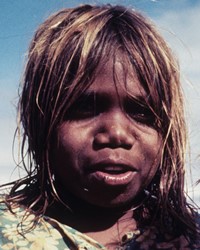

The Kuku-Yalanji people are an Aboriginal Australian ethnic group whose traditional lands extend across the tropical rainforest, rivers, and coastal regions of far north Queensland. The country includes areas around Daintree Rainforest, Cape Tribulation, and regions north of Cairns. Today, many Kuku-Yalanji people live in communities such as Mossman, Wujal Wujal, and surrounding areas, while others reside in regional cities. In 2021, large areas of the Daintree Rainforest and surrounding national parks were formally returned to Aboriginal ownership under joint management arrangements.
For thousands of years, the Kuku-Yalanji people lived in one of the world's oldest tropical rainforest environments. They developed extensive knowledge of the rainforest ecosystem, including medicinal plants, seasonal food sources, hunting techniques, and sustainable land management practices. Their social structure was based on kinship networks, clan relationships, and customary law that regulated community life and stewardship of the land.
The Kuku-Yalanji language belongs to the Pama–Nyungan language family and is one of the many Indigenous languages that have shaped Australia's rich cultural heritage.
From 1887 to 1902, a Lutheran mission was established by the Germans in the Bloomfield River to evangelize the Kuku-Yalanji people. Although the mission was a shelter providing food and material items, its main mission to evangelize was futile. Invasion in the 19th century by miners due to the Palmer River gold rush and the expansion of agriculture caused major and severe disruption to the lives of the Kuku-Yalanji. Despite strong resistance from the Kuku-Yalanji, their armed conflicts with Europeans inevitably resulted in numerous casualties. Government policies imposed on the Aboriginal Australians resulted in a loss of their basic human rights, as many Kuku-Yalanji people were separated and removed from their families and their country.
Daily life often combines traditional cultural values with participation in modern Australian society. Family networks remain central, and many people continue to maintain strong ties to their ancestral lands.
Employment opportunities include tourism, education, healthcare, local government, environmental management, and cultural preservation initiatives. The Kuku-Yalanji have become particularly well known for their involvement in eco-tourism and Indigenous-guided cultural experiences that introduce visitors to the unique ecology and history of the rainforest. These activities provide both economic opportunities and avenues for cultural education. Mossman Gorge Cultural Centre provides a valuable connection to the Indigenous community, protects a vulnerable ecosystem and promotes economic wellbeing for the communities because the workforce consists predominantly of local Kuku Yalanji people who take pride in raising awareness of their culture.
Traditional knowledge remains highly valued. Elders continue to teach younger generations about language, sacred sites, bush foods, traditional stories, and cultural responsibilities. However, like many Indigenous communities, the Kuku-Yalanji face challenges related to economic inequality, housing, health outcomes, and balancing cultural preservation with modernization.
Traditionally, Kuku-Yalanji spirituality was deeply connected to the land, rainforest, waterways, and ancestral beings. Their worldview emphasized the interconnectedness of people, nature, and the spiritual realm. Traditional Kuku-Yalanji spirituality is deeply connected to the land and the Dreaming. These Dreaming stories explain the creation of natural features, animals, and social laws, and they continue to hold great cultural significance. There are key sites throughout their territory that are linked to these ancestral narratives, and ceremonies, songs, and rituals such as Welcome to country and smoking ceremonies are used to maintain spiritual balance and connection to the land. The landscape is not just physical; places like Wundu (Thornton Peak) and Manjal Dimbi (Mount Demi) are considered spiritual, powerful, and sometimes dangerous.
Christianity was introduced through missionary efforts and government settlement programs during the colonial era. Today, many Kuku-Yalanji people identify as Christian, with various Protestant and Catholic traditions represented within their communities. Churches often serve as important centers of worship, fellowship, and community support. Among many Kuku-Yalanji people, cultural identity and Christian faith coexist. Indigenous values such as respect for elders, communal responsibility, stewardship of creation, and strong family relationships often complement Christian teachings. In some communities, traditional cultural expressions continue alongside Christian worship, creating a unique local expression of faith.
The Kuku-Yalanji people continue to face economic challenges that affect many Indigenous Australians, including unequal access to employment opportunities, housing, and long-term economic development. Expanding sustainable tourism, Indigenous-owned businesses, educational opportunities, and environmental stewardship initiatives can help strengthen economic resilience and community well-being.
Young people often struggle to balance modern Australian culture with the preservation of traditional identity and language. There is also a continuing need for cultural preservation. Although the Kuku-Yalanji language is still spoken, it remains vulnerable, and many Elders are working hard to pass it on to younger generations. Community-led programs in education and tourism are helping preserve both language and culture. Access to quality healthcare, education, housing, and youth development programs also remains important.
From an Evangelical Christian perspective, the Kuku-Yalanji people already possess a meaningful Christian witness within their communities. Continued discipleship, biblical literacy, leadership development, and culturally relevant ministry can help strengthen local churches. Kuku-Yalanji believers are also positioned to serve as gospel ambassadors to other Aboriginal peoples and to broader Australian society.
Pray that Kuku-Yalanji believers would grow in spiritual maturity, biblical knowledge, and Christlike character, becoming strong disciples who faithfully serve their communities.
Pray that Indigenous Christian leaders would be encouraged and equipped, enabling them to disciple younger generations and strengthen local churches.
Pray that Kuku-Yalanji Christians would become a gospel influence among other Aboriginal peoples throughout Australia, sharing the hope of Christ through authentic relationships and cultural understanding.
Pray that God would use Kuku-Yalanji language, storytelling, environmental stewardship, and cultural traditions as effective bridges for communicating the gospel, strengthening both faith and cultural identity.
Scripture Prayers for the Kuku-Yalanji in Australia.
https://en.wikipedia.org/wiki/Kuku_Yalanji
https://en.wikipedia.org/wiki/Kuku_Yalanji_language
https://www.aiatsis.gov.au/explore/australias-first-peoples
https://collection.aiatsis.gov.au/austlang/language/y78
https://www.daintree.com/kuku-yalanji-culture
https://www.ethnologue.com/language/gvn/
| Profile Source: Joshua Project |


